

I have an ABC trek lined up for the 15th, and a couple of weeks ago, my right leg started throbbing. My brain immediately went to work. It diagnosed a fracture. It mapped out the worst-case scenario. It screamed, “Get an X-ray! Get meds! Stop moving!”.
When I saw my doctor—a man who famously refuses to prescribe medication if movement can do the job—he did a thorough check and handed me a list of seven exercises.
“Will I be trek-ready by next week?” I asked, bracing for the worst. “You have two weeks,” he replied calmly. “You’ll be fine, if you do the exercises.”
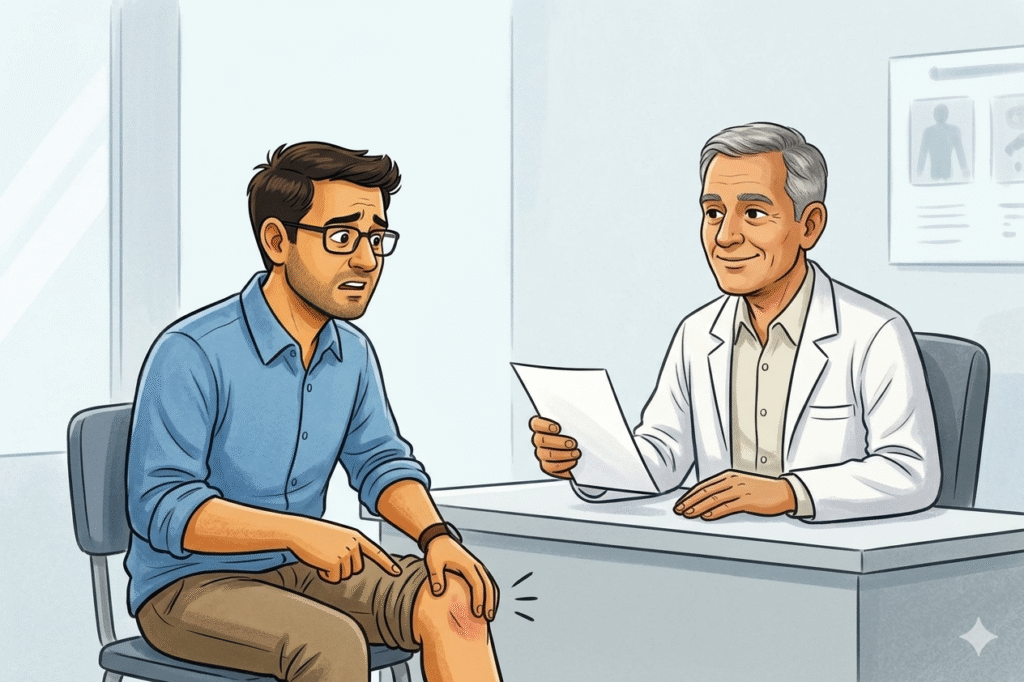
Then, I did something I do in the boardroom and the living room: I pushed for a catastrophe. “Shouldn’t I get an X-ray? Are you sure I don’t need pills?”. He smiled, politely, and repeated: “No need. Just do the exercises.”.
The Perspective: I realized I wasn’t just looking for a cure for my leg; I was looking for a medical stamp of approval for my anxiety.
In my corporate life, I’ve seen this a thousand times: we sometimes treat a minor market fluctuation like a total collapse. We treat a feedback loop like a failure. We “catastrophize” because it feels safer to expect the worst than to trust the process.
Thinking is a muscle. If I can train my leg to heal, I can train my mind to stop defaulting to “worst-case.”. It’s an ongoing process, but the rule is simple: for every negative “what if,” force a positive “what if.”.
Don’t just manage your pain. Manage and massage your thoughts. They are the only muscle you never get a day off from.